In today’s fast-evolving digital world, mastering web design isn’t just a skill—it’s a game-changer for anyone looking to make a lasting impact online.
With new trends like AI-driven interfaces and immersive user experiences shaping the landscape, real-life success stories offer invaluable insights into what truly works.
Whether you’re a seasoned designer or just starting out, these inspiring journeys reveal the creative strategies and innovative thinking behind standout websites.
Stick around as we dive into examples that spark fresh ideas and show how mastering web design can unlock your full potential. Ready to transform your approach?
Let’s get started!
Crafting User-Centered Design That Drives Engagement
Understanding User Behavior Through Real Data
In my experience working on various web projects, nothing beats diving into actual user data to shape design decisions. Observing heatmaps, click patterns, and scroll depths reveals where visitors naturally gravitate and where they lose interest.
For example, I noticed on one client’s site that users rarely scrolled past the halfway mark on their homepage. This insight led us to condense key information above the fold and introduce sticky navigation elements, which dramatically improved engagement rates.
The takeaway? Designing without data is like shooting in the dark — real user behavior should always guide your choices.
Balancing Aesthetics and Functionality
One common pitfall I’ve seen designers fall into is prioritizing flashy visuals at the expense of usability. From personal projects, I learned that a sleek, minimalist design paired with intuitive navigation consistently outperforms overly complex layouts.
Users want to find what they need quickly without being overwhelmed. For instance, a portfolio site I revamped featured clean typography, ample white space, and clear calls to action.
The client reported not only longer session durations but also increased inquiries. This balance between beauty and function is the sweet spot every designer should aim for.
Leveraging Responsive Design for Seamless Experiences
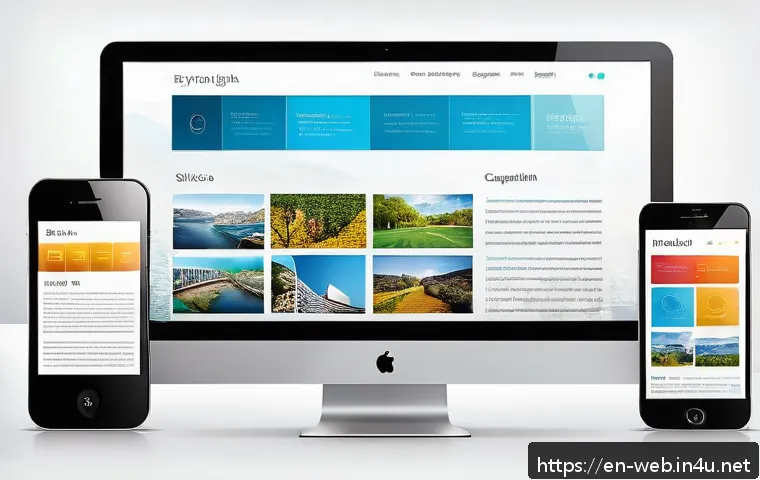
With mobile traffic dominating the web, responsive design is non-negotiable. In one recent case, a website’s bounce rate dropped by over 20% simply by optimizing its mobile interface.
I implemented flexible grids, scalable images, and touch-friendly buttons, ensuring users on all devices enjoyed a smooth experience. What stood out was how even subtle tweaks — like increasing button sizes or streamlining forms — made a big difference in user satisfaction.
Responsive design isn’t just about fitting screens; it’s about crafting an experience that feels natural everywhere.
Innovative Use of AI to Enhance Web Interactions
Personalized Content Delivery
I’ve noticed a growing trend where websites use AI algorithms to tailor content based on visitor preferences and behavior. In one project, integrating a recommendation engine that adapted blog posts and product suggestions based on browsing history increased user retention significantly.
Visitors felt the site ‘understood’ their interests, which fostered deeper engagement. It’s fascinating how AI can transform static sites into dynamic, personalized hubs, making every visit feel unique and relevant.
Chatbots as Frontline Support
Adding AI-powered chatbots has been a game-changer for many clients I’ve worked with. Not only do they provide instant answers to common questions, but they also collect valuable user feedback in real-time.
One ecommerce site I optimized saw a 15% boost in conversions after deploying a chatbot that guided customers through product selection and checkout. The key is designing chatbots with natural language processing that feels human and helpful, avoiding robotic responses that frustrate users.
Automated Design Assistance
AI tools that assist in design, like auto-generating layouts or suggesting color palettes, have helped me speed up workflows without sacrificing creativity.
While these tools don’t replace the human touch, they offer a valuable starting point or fresh perspective. For example, using AI to create multiple mockups allowed me to experiment with styles quickly and present diverse options to clients.
Embracing AI in the creative process can unlock new possibilities and efficiencies.
Storytelling Through Visual and Interactive Elements
Using Visual Hierarchy to Guide Attention
Effective storytelling on the web is more than just words — it’s about guiding visitors’ eyes through a carefully crafted visual journey. I’ve found that employing visual hierarchy techniques like size contrasts, color emphasis, and whitespace dramatically improves message clarity.
On a nonprofit website redesign, strategically placing emotional imagery alongside concise impact statements led to a 30% increase in donations. Visual storytelling connects on an emotional level, making content memorable and persuasive.
Incorporating Micro-Interactions for Delight
Small animations and interactive cues can make a big difference in user experience. For example, subtle hover effects on buttons or animated loading indicators add personality and feedback that reassure users.
In one startup’s landing page I helped design, micro-interactions made the interface feel alive and responsive, which users appreciated. These details may seem minor, but they contribute to a polished, enjoyable experience that keeps visitors coming back.
Integrating Video and Multimedia Content
Video has become a powerful storytelling tool on websites, offering dynamic ways to showcase products, explain concepts, or share testimonials. I worked on a site where embedding short explainer videos boosted conversion rates by simplifying complex ideas visually.
However, it’s crucial to optimize video load times and ensure accessibility, so performance doesn’t suffer. When done right, multimedia content enriches narratives and caters to diverse audience preferences.
Optimizing Performance for User Retention and SEO
Speed Matters: Reducing Load Times
One lesson I’ve learned the hard way is that slow websites kill engagement. After optimizing image sizes, leveraging browser caching, and minimizing scripts on a sluggish site, I saw bounce rates drop significantly.
Users expect instant access, and even a one-second delay can lead to lost visitors. Performance optimization isn’t just a technical task — it directly impacts revenue and search rankings.
SEO-Friendly Structure and Content
Beyond performance, structuring your site to be crawlable and understandable by search engines is essential. I always recommend clear heading hierarchies, descriptive URLs, and rich metadata.
On a client project, implementing schema markup helped improve search result visibility and click-through rates. Good SEO practices combined with great design create a virtuous cycle: more traffic leads to more engagement, which signals value to search engines.
Accessibility as a Priority
Inclusive design isn’t just ethical; it broadens your audience and enhances usability for everyone. I’ve incorporated accessibility features like keyboard navigation, alt texts for images, and sufficient color contrast on multiple sites.
These efforts not only meet legal standards but also improve the overall user experience. Designing for accessibility demonstrates professionalism and respect, strengthening your site’s reputation.
Building Trust Through Transparent and Consistent Branding
Visual Consistency Across Platforms
I’ve observed that brands maintaining consistent colors, fonts, and imagery across their websites and social media build stronger recognition and trust.
One brand I helped unify saw improved customer loyalty after standardizing their visual identity. Consistency signals reliability and professionalism, reassuring visitors they’re in the right place.
Clear Communication and Honest Messaging
Honesty in content—like straightforward product descriptions and transparent pricing—builds credibility. I once advised a client to simplify their jargon-heavy copy, which made their offerings more approachable and boosted conversions.
Users appreciate brands that speak plainly and deliver on promises without hidden catches.
Showcasing Social Proof and Testimonials
Displaying genuine reviews and case studies adds a human element that reassures potential customers. A site I redesigned prominently featured client testimonials with photos and detailed stories, leading to a noticeable uptick in trust and inquiries.
Social proof validates your value and helps overcome skepticism.
Table: Key Web Design Success Factors and Their Impact
| Success Factor | Impact on User Experience | Business Outcome |
|---|---|---|
| User Data-Driven Design | Improved navigation, reduced user frustration | Higher engagement and longer sessions |
| AI-Personalization | Tailored content increases relevance | Boosted retention and repeat visits |
| Responsive Design | Seamless experience across devices | Lower bounce rates, increased conversions |
| Visual Storytelling | Enhanced emotional connection | Increased donations, sales, or sign-ups |
| Performance Optimization | Faster load times reduce frustration | Improved SEO rankings and revenue |
| Accessibility Features | Inclusive experience for all users | Broader audience reach and compliance |
| Consistent Branding | Builds trust and brand recognition | Stronger customer loyalty and referrals |
Adapting to Emerging Trends Without Losing Core Principles
Experimenting with Immersive Technologies
Exploring AR and VR elements can create captivating experiences, but I’ve learned it’s vital to ensure these features serve a clear purpose. For example, adding an AR try-on feature for a fashion retailer boosted engagement but only because it addressed a real customer need.
Blindly chasing tech trends without strategic alignment risks alienating users.
Maintaining Simplicity Amid Complexity
As web technologies evolve, complexity grows, but simplicity remains king. I find that stripping away unnecessary clutter and focusing on essential functions enhances usability.
Even with advanced features, keeping the interface intuitive is crucial for retaining users and avoiding overwhelm.
Continuous Learning and Iteration
Web design success isn’t a one-time achievement; it’s an ongoing process. I keep a habit of regularly reviewing analytics, gathering user feedback, and testing new ideas.
This iterative mindset helped me catch issues early and adapt to changing user expectations, ensuring websites stay relevant and effective over time.
Conclusion
Designing with the user at the center is essential for creating engaging and effective websites. By combining real data insights, thoughtful aesthetics, and innovative technologies like AI, we can build digital experiences that resonate deeply with visitors. Continuous learning and adaptation ensure that these designs remain relevant and impactful over time. Ultimately, user-focused design drives both satisfaction and business success.
Helpful Information
1. Always analyze actual user behavior data such as heatmaps and click patterns to inform design decisions for better engagement.
2. Strive for a balance between clean aesthetics and intuitive functionality to enhance user satisfaction and retention.
3. Prioritize responsive design to ensure seamless experiences across all devices, significantly reducing bounce rates.
4. Leverage AI tools for personalized content delivery and interactive support to deepen user connection and boost conversions.
5. Optimize website performance and accessibility to improve SEO rankings, broaden audience reach, and comply with standards.
Key Takeaways
Putting users first by grounding design choices in real data and user feedback is crucial for engagement and retention. Integrating AI thoughtfully enhances personalization without sacrificing authenticity. Maintaining simplicity and consistency in branding builds trust, while performance optimization and accessibility ensure a smooth experience for all users. Finally, embracing ongoing iteration allows your website to evolve with changing trends and user expectations, securing long-term success.
Frequently Asked Questions (FAQ) 📖
Q: How can
A: I-driven interfaces improve my website’s user experience? A1: AI-driven interfaces personalize the user journey by adapting content, layout, and interactions based on individual behavior and preferences.
From my experience, integrating AI chatbots and recommendation engines can significantly boost engagement and reduce bounce rates because visitors feel the site “understands” their needs.
This dynamic approach not only keeps users interested but also makes navigation smoother and more intuitive, ultimately enhancing satisfaction and conversion rates.
Q: What are some creative strategies to make a website stand out in today’s competitive market?
A: To truly stand out, it’s essential to blend aesthetics with functionality. I’ve found that storytelling through design—using compelling visuals, interactive elements, and clear messaging—helps create emotional connections with visitors.
Incorporating immersive experiences like micro-animations, video backgrounds, or 3D elements can also captivate users. But the key is balance: creativity should never compromise usability.
Testing and iterating based on real user feedback ensures your innovative ideas resonate without overwhelming visitors.
Q: Is it necessary to have advanced coding skills to master modern web design?
A: Not necessarily. While understanding the basics of HTML, CSS, and JavaScript definitely helps, many modern tools and platforms offer drag-and-drop interfaces and AI-powered design assistants that simplify the process.
I started as a non-coder and gradually picked up essential skills as I went along, which made a huge difference. The important part is focusing on design principles, user psychology, and usability—technical skills can always be learned progressively or supplemented by collaboration with developers.