Exploring a web design study abroad program can be a game-changer for anyone eager to sharpen their skills in a global context. Immersing yourself in a new culture while learning cutting-edge design trends offers a unique blend of creativity and practical experience.

Many participants find that hands-on workshops and networking opportunities abroad open doors that traditional classroom settings can’t. Plus, the exposure to international client expectations broadens your professional horizon like nothing else.
If you’re serious about elevating your web design career and gaining fresh perspectives, this journey might be exactly what you need. Let’s dive deeper and uncover all the exciting details ahead!
Embracing Cultural Immersion for Creative Growth
How Experiencing Local Culture Fuels Design Inspiration
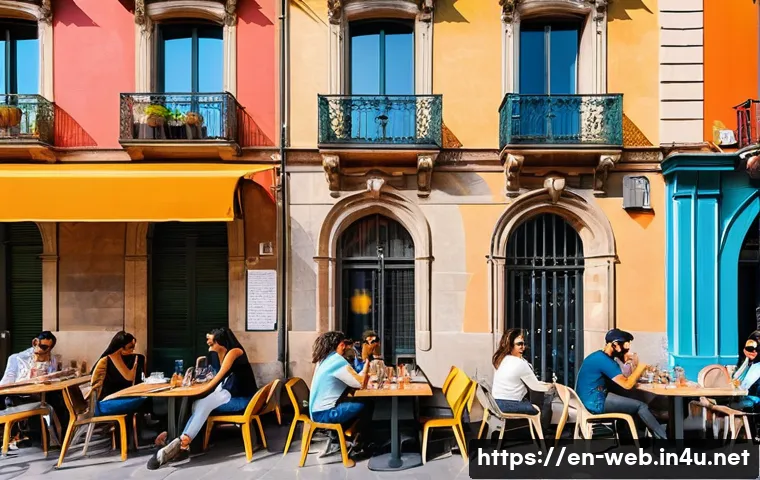
Stepping into a new culture does more than just change your scenery—it reshapes your creative lens. When you’re surrounded by unfamiliar art, architecture, and everyday aesthetics, your brain starts making connections you wouldn’t have made otherwise.
For example, in cities like Barcelona or Tokyo, the vibrant street art or minimalist design philosophies are palpable and seep into your thinking. This immersion often sparks fresh ideas that can’t be replicated by simply scrolling through online portfolios or textbooks.
I remember during a program in Amsterdam, the way canal houses were designed inspired me to rethink vertical layouts in web design, blending old-world charm with modern functionality.
Language and Communication: Bridging the Design Dialogue
Navigating a foreign language environment pushes you to communicate design concepts more clearly and creatively. You learn to distill your ideas into universal visuals or concise terms, which is a vital skill when working with diverse clients or teams.
My experience working with classmates from various countries made me realize how design is truly a universal language, but the way you present it can vary drastically.
This skill of adapting communication styles is invaluable and often overlooked in domestic-only programs.
Local Trends vs. Global Demands: Finding the Sweet Spot
Every region has its own design trends influenced by culture, technology adoption, and consumer behavior. Studying abroad exposes you to these nuances firsthand.
For instance, Scandinavian countries focus heavily on minimalism and usability, while places like South Korea might emphasize dynamic visuals and animations.
Learning to balance these local tastes with global usability standards prepares you to create websites that can appeal to broader audiences. It’s this blend that elevates your portfolio and makes you a more versatile designer.
Hands-On Workshops: Learning by Doing on an International Stage
Real-World Projects That Simulate Client Collaboration
Many programs prioritize project-based learning where you tackle actual briefs from international companies or NGOs. This approach is a game-changer because it puts theory into practice under real-world constraints like deadlines and client feedback.
From my own time in a Milan workshop, working on a branding project for a local startup felt both challenging and rewarding. The experience taught me how to pivot designs quickly based on client needs—a skill that’s hard to develop in traditional classroom settings.
Mastering Cutting-Edge Tools and Techniques
Being abroad often means access to software, plugins, or methodologies that aren’t widely used in your home country yet. For instance, in some European programs, there’s a strong emphasis on UX research tools and prototyping platforms like Figma or Adobe XD, combined with emerging trends like voice UI or AR integrations.
The chance to experiment with these tools alongside mentors who are industry veterans accelerates your learning curve dramatically.
Peer Learning: Diverse Perspectives Boost Creativity
Working closely with fellow students from different backgrounds creates a melting pot of ideas. During these workshops, you’ll get to critique and collaborate with peers whose cultural insights and problem-solving approaches differ from yours.
This diversity often pushes you out of your comfort zone, encouraging innovation and fresh perspectives. I’ve found that some of my best design breakthroughs happened after heated group discussions during these sessions.
Networking Beyond Borders: Building a Global Design Community
Connecting with Industry Experts and Alumni
One of the underrated perks of studying abroad is the access to a network that extends far beyond the classroom. Programs often arrange guest lectures, portfolio reviews, and networking events featuring established designers and entrepreneurs.
These connections can open doors to freelance gigs, internships, or even full-time roles internationally. I still keep in touch with a mentor I met during a London program who later introduced me to a client in need of a web redesign.
Leveraging International Collaboration Platforms
Beyond face-to-face meetings, many programs encourage you to join global design communities online. Platforms like Dribbble, Behance, and LinkedIn groups become invaluable for sharing work, getting feedback, and staying updated on industry trends worldwide.
The experience of presenting your work to a global audience builds confidence and helps refine your personal brand.
How Cultural Sensitivity Enhances Professional Relationships
Building relationships across cultures requires empathy and adaptability. Learning to respect different working styles, communication preferences, and business etiquettes is crucial for long-term success.
I recall a situation where understanding subtle cultural cues helped me avoid misunderstandings during a group project, ultimately strengthening the collaboration and output.
Understanding International Client Expectations
Adapting Design Solutions for Diverse Markets
Clients from different countries often have varying priorities and expectations based on their target audiences. For example, a European client might prioritize accessibility and data privacy compliance, while a client in Southeast Asia could focus more on mobile responsiveness and vibrant visuals.
Experiencing these differences firsthand helps you tailor your design process to meet specific market demands effectively.
Managing Time Zones and Communication Challenges
Working with international clients means juggling time zone differences and asynchronous communication. Programs abroad often simulate these scenarios, teaching you how to schedule meetings, set clear expectations, and document progress efficiently.
Mastering these logistical skills early on prevents headaches later in your career.
Legal and Ethical Considerations in Web Design
Different countries have unique regulations regarding digital content, copyright, and user data protection. Exposure to these legal frameworks during your study abroad experience arms you with knowledge that can differentiate you as a responsible designer.
For instance, understanding GDPR compliance in Europe or CCPA in California is essential when creating websites for those regions.

Evaluating Program Options: What to Look For
Curriculum Focus and Flexibility
Not all programs are created equal. Some emphasize technical skills like coding and UI design, while others focus on conceptual thinking, branding, or UX research.
It’s important to choose one that aligns with your career goals and learning style. Flexibility in course selection or project focus also allows you to tailor your experience.
Location and Cultural Environment
The city or country you choose impacts not only your cultural exposure but also networking opportunities and cost of living. Urban hubs like New York, Berlin, or Sydney offer vibrant design communities but may come with higher expenses.
Meanwhile, smaller cities might provide a more intimate learning environment with unique local flavors.
Support Services and Alumni Outcomes
Look for programs that offer strong support, including visa assistance, accommodation help, and career services. Alumni success stories and job placement rates can also provide insights into the program’s effectiveness.
I’ve found that programs with active alumni networks provide ongoing mentorship and job leads long after the course ends.
| Program Feature | What to Consider | Impact on Your Experience |
|---|---|---|
| Curriculum Focus | Technical skills vs. conceptual design emphasis | Aligns learning with career goals and personal interests |
| Location | Urban vs. smaller city, cultural vibrancy, cost of living | Affects networking opportunities and daily life experience |
| Hands-On Projects | Real client briefs, workshops, tool access | Builds practical skills and portfolio strength |
| Networking Opportunities | Industry events, guest lectures, online communities | Expands professional contacts and job prospects |
| Support Services | Visa, accommodation, career guidance | Smooths logistical challenges and post-program transition |
Financial Planning and Maximizing Your Investment
Budgeting for Tuition and Living Expenses
Studying abroad is a significant financial commitment, so planning ahead is crucial. Tuition fees vary widely depending on the program’s prestige, location, and duration.
Living costs—rent, food, transportation—can sometimes exceed tuition. I found that creating a detailed monthly budget before departure helped me avoid surprises and stay financially comfortable throughout my stay.
Scholarships, Grants, and Financial Aid
Many institutions and organizations offer scholarships specifically for international design students. Applying early and tailoring your application to highlight your passion and goals can increase your chances.
Additionally, some countries provide grants for cultural exchange or skill development that can ease the financial burden.
Leveraging Part-Time Work and Freelance Opportunities
Depending on your visa restrictions, working part-time or freelancing during your program can offset costs and enhance your resume. Local freelance gigs also provide insight into the regional market and client expectations.
During my study abroad, taking on small freelance projects helped me hone client communication and time management skills.
Post-Program: Leveraging Your Experience for Career Growth
Updating Your Portfolio with International Projects
The real-world projects and cultural insights you gain abroad make your portfolio stand out. Highlighting these experiences shows potential employers or clients that you’re adaptable and globally minded.
I recommend including case studies that explain how cultural context influenced your design decisions.
Positioning Yourself as a Global Designer
Employers increasingly value designers who understand global markets and diverse user needs. Use your study abroad experience to brand yourself as a professional who can navigate multicultural teams and international clients.
Sharing stories from your program during interviews or networking events adds authenticity and depth.
Continuing Education and Lifelong Networking
The relationships you build and the skills you acquire don’t end when the program does. Staying engaged with your international peers and mentors through social media or professional groups keeps your perspective fresh and opens doors for future collaborations.
Personally, I’ve found that these connections often lead to unexpected opportunities years down the line.
글을 마치며
Immersing yourself in different cultures offers more than just new sights—it reshapes your creative process and broadens your design perspective. Through hands-on projects, diverse collaborations, and global networking, you gain invaluable skills that set you apart in the competitive design world. Embracing these experiences can truly accelerate your growth both personally and professionally, making your design journey richer and more fulfilling.
알아두면 쓸모 있는 정보
1. Cultural immersion fuels creativity by exposing you to unique aesthetics and design philosophies not found in textbooks or online portfolios.
2. Clear communication in diverse environments enhances your ability to present ideas universally, a vital skill for working with global clients.
3. Hands-on workshops abroad often provide access to cutting-edge tools and real client projects, bridging theory with practical experience.
4. Building a global network through industry events and online platforms can open doors to freelance work, internships, and full-time roles internationally.
5. Understanding legal, ethical, and market-specific requirements like GDPR or mobile responsiveness strengthens your credibility as a responsible designer.
중요 사항 정리
Choosing the right international design program requires careful consideration of curriculum focus, location, and available support services to ensure alignment with your career goals and lifestyle. Actively engaging in real-world projects and diverse peer collaboration enhances your practical skills and creativity. Additionally, investing time in building global connections and understanding regional client expectations prepares you for a successful, adaptable career in the ever-evolving design industry.
Frequently Asked Questions (FAQ) 📖
Q: What are the main benefits of joining a web design study abroad program?
A: Joining a web design study abroad program offers a unique chance to combine learning with real-world experience. You get to immerse yourself in a different culture, which sparks creativity and fresh ideas that you might not encounter in a traditional classroom.
Hands-on workshops abroad often focus on the latest design trends and tools, giving you practical skills that employers value. Additionally, networking with international peers and professionals can open doors to global job opportunities and collaborations, broadening your career prospects significantly.
Q: How can studying web design abroad improve my career compared to studying locally?
A: Studying web design abroad exposes you to diverse client needs and design standards from around the world, which sharpens your adaptability and problem-solving skills.
This global perspective is highly attractive to employers who work with international markets. Also, the chance to work on real projects in different cultural contexts helps you build a versatile portfolio.
From my own experience, the confidence and insight gained from navigating new environments and professional expectations abroad are invaluable, setting you apart in a competitive job market.
Q: What should I consider before choosing a web design study abroad program?
A: Before committing, it’s important to research the curriculum to ensure it covers current industry tools and practices that align with your career goals.
Look for programs offering hands-on workshops and opportunities for real client projects, as these provide practical experience. Also, consider the location and cultural environment—being comfortable and engaged in the host country can greatly enhance your learning experience.
Finally, check for support services like career counseling or networking events, which can help you maximize the value of your time abroad. From what I’ve seen, those extra resources often make a big difference in turning your study abroad experience into tangible career growth.